October 15, 2026
Managing a commercial property involves balancing routine operational costs with long-term capital investments that protect the structural integrity of your building. Among the various structural elements of any facility, the roofing system serves as the primary barrier against harsh weather, environmental debris, and extreme temperature fluctuations. Over time, constant exposure to the elements causes even the most durable commercial roofing membranes and built-up layers to deteriorate. Recognizing the subtle and obvious warning signs of an aging or failing roof allows property managers to take proactive action before minor leaks evolve into severe structural damage. Understanding when to consult a qualified commercial roofer can save thousands of dollars in emergency repairs, inventory damage, and operational downtime.
Every roofing assembly eventually reaches the end of its functional service life, regardless of how meticulously it was maintained. Commercial structures often feature low-slope or flat designs that present unique challenges compared to standard steep-slope residential roofs. According to ServiceTitan, roof replacements account for roughly 94% of the commercial roofing market. This stat underscores how frequently facility managers face the decision to upgrade aging infrastructure rather than relying on endless patch jobs. Knowing how to identify critical failure indicators helps building owners make informed timing decisions, ensuring that a full system overhaul is scheduled smoothly before unexpected structural breaches occur.
Identifying Persistent Moisture Infiltration and Interior Water Damage
Water intrusion is perhaps the most obvious indicator that a commercial building requires immediate professional intervention. While a single, isolated leak might be solved with a quick patch, widespread or recurring water stains across ceiling tiles indicate systemic failure within the roofing assembly. Water often travels significant distances along internal support beams before dripping into working spaces, making the true point of entry difficult to trace without specialized equipment. When moisture repeatedly finds its way into offices, warehouses, or retail floors, contacting a trusted commercial roofer becomes essential to determine whether the underlying insulation layers have become completely saturated.
Trapped moisture beneath a commercial roofing membrane severely compromises the thermal performance of the building's insulation. Saturated insulation boards lose their insulating capabilities, forcing heating and cooling systems to work significantly harder to maintain indoor temperatures. Furthermore, persistent moisture creates an ideal breeding ground for harmful mold and mildew, which damages interior drywall, ruins ceiling grid networks, and threatens the health of building occupants. When moisture permeates large sections of the subterranean roofing insulation, localized repairs are no longer cost-effective, signaling the need for a full tear-off and replacement.
Evaluating Widespread Surface Membrane Deterioration
The exterior surface of a commercial roof provides valuable diagnostic clues regarding its overall structural health. Single-ply membranes such as TPO, EPDM, and PVC expand and contract continuously in response to daily temperature swings. Over time, this constant thermal movement causes the membrane to lose its elasticity, leading to visible cracking, blistering, ridging, or shrinking. When membranes shrink, they pull away from perimeter walls, parapets, and expansion joints, opening up direct pathways for water to enter the building envelope.
In addition to shrinkage, severe blistering and bubbling across the roof surface point to trapped air or moisture vapor expanding under intense sunlight. If these blisters pop, they leave the lower insulation layers exposed to severe weather conditions. When inspecting built-up or modified bitumen roofs, widespread loss of protective mineral granules exposes the underlying asphalt layers to destructive ultraviolet radiation. When a property manager notices surface degradation spanning significant portions of the roof, scheduling a comprehensive assessment with an experienced commercial roofer ensures an accurate evaluation of whether the membrane can be restored or requires complete replacement.
Assessing Severe Ponding Water and Structural Sagging
Flat and low-slope commercial roofs are engineered with subtle pitches designed to direct rainwater toward primary drains, scuppers, and gutter systems. When water remains on a roof surface for more than forty-eight hours after a storm event, it is classified as standing or ponding water. Ponding water poses a tremendous threat to roofing materials because the weight of standing water exerts continuous hydrostatic pressure on seams, flashings, and membrane laps. Over time, this weight breaks down seam adhesives and degrades protective coatings, accelerating moisture penetration.
Standing water also adds significant dead weight to the building's structural deck and support trusses. Accumulated water weighs roughly eight pounds per gallon, meaning a large low spot holding several inches of water adds thousands of pounds of unplanned stress to the roof frame. This excessive weight can cause structural decking to sag or bow, creating deeper depressions that collect even more water during subsequent rainfall events. When standing water becomes a permanent fixture or causes visible interior structural deflection, engaging a certified commercial roofer is critical to correct drainage slopes and install a stable, long-lasting replacement roof.
Monitoring Escalating Maintenance Costs and System Age
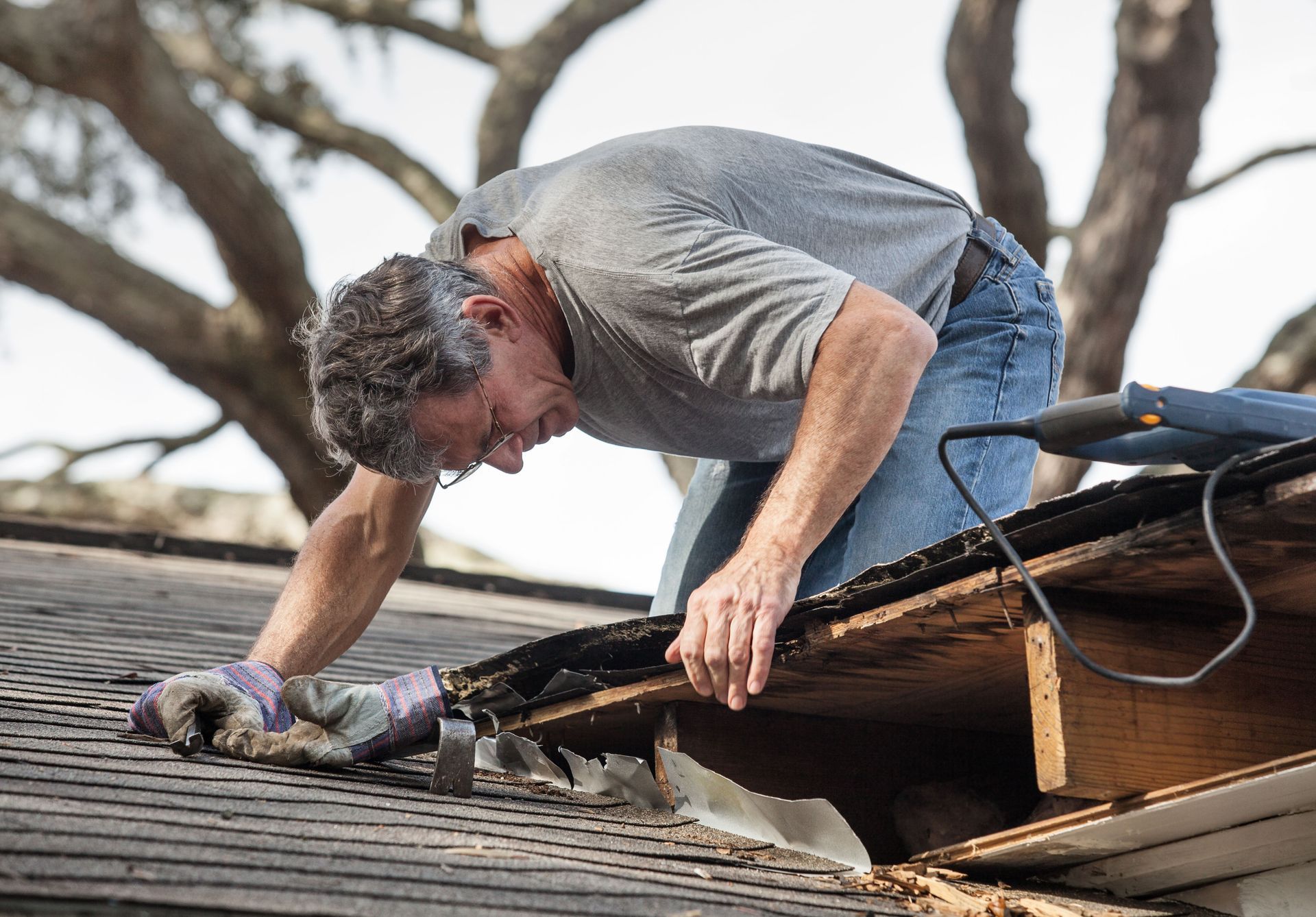
Tracking the frequency and total cost of ongoing roof repairs offers a clear, objective metric for determining when a replacement makes financial sense. During the early years of a roof's lifespan, occasional minor repairs around vent pipes or HVAC units are normal and expected. However, as a roof nears the end of its intended service life—typically fifteen to thirty years depending on the material—repair visits become increasingly frequent and expensive. When annual repair budgets begin rivaling the amortized cost of a new roof, continuing to patch an inherently failing structure is no longer financially prudent.
Age itself is a primary factor in roof failure, as materials naturally break down after decades of exposure to weather extremes. Older roofing systems may also fail to meet modern building energy codes or structural wind uplift requirements. By conducting periodic life-cycle reviews with a professional commercial roofer, building owners can evaluate whether investing in a modern, highly energy-efficient roofing assembly will yield significant long-term utility savings. Upgrading to a new reflective roof surface lowers cooling costs, improves tenant comfort, and eliminates the continuous financial drain of emergency service calls.
Inspecting Damaged Flashings and Rooftop Penetration Seals
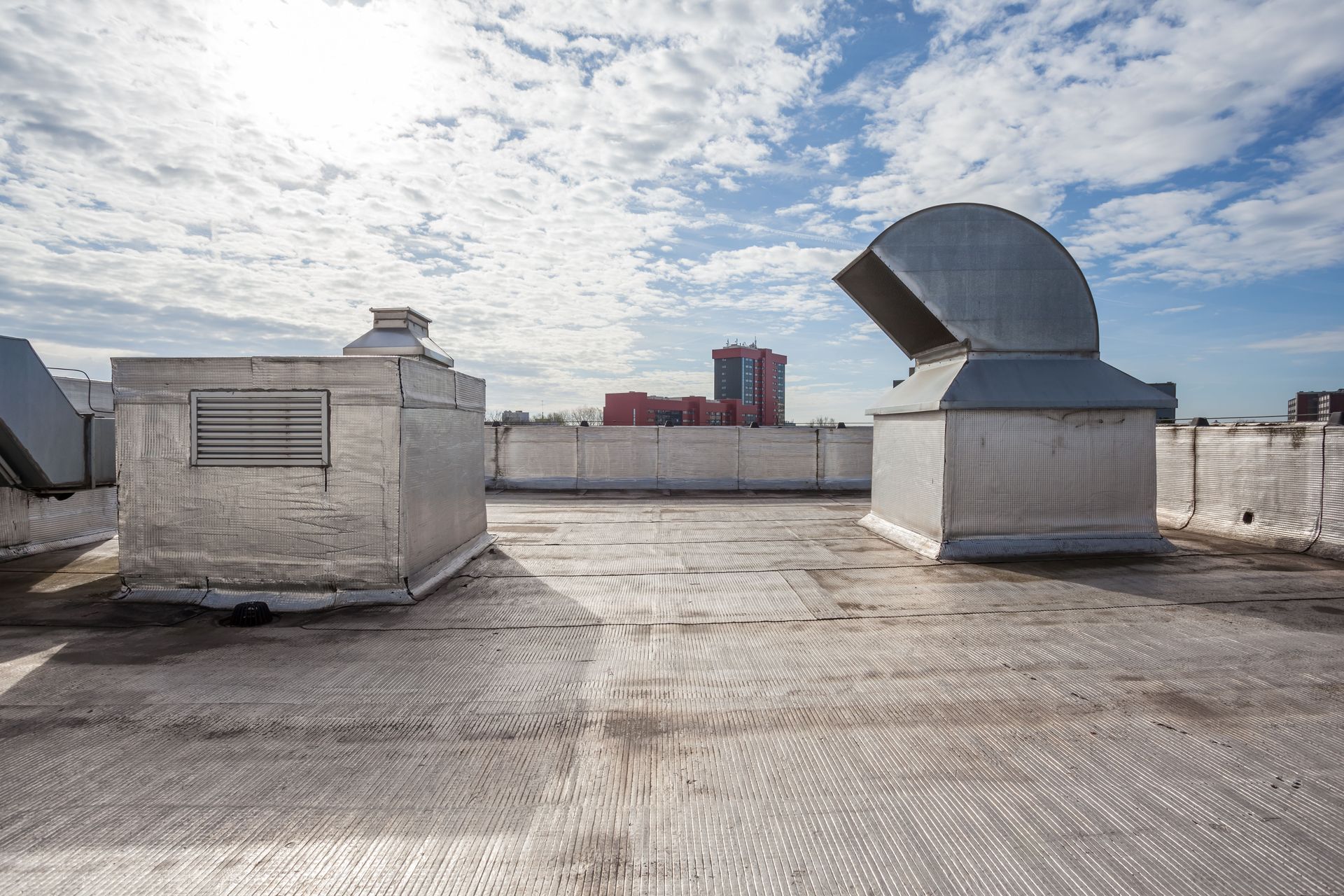
Commercial rooftops house essential mechanical equipment, including HVAC units, exhaust fans, skylights, plumbing stacks, and electrical conduits. Every object that penetrates the roof membrane creates a vulnerable seam that relies on metal flashings, pitch pans, and flexible sealants to remain watertight. Thermal expansion, heavy winds, and rooftop foot traffic from maintenance technicians cause flashings to pull away, warp, or corrode over time. When perimeter flashing fails along parapet walls or gravel stops, wind-driven rain can easily enter beneath the primary membrane.
While isolated flashing issues can often be re-sealed during routine maintenance, widespread flashing failure usually indicates broader membrane instability. If the surrounding membrane has dried out or shrunk, new sealant will fail to adhere properly, leading to repeated leaks at penetration points. A knowledgeable commercial roofer evaluates flashing connections across the entire rooftop to determine if the surrounding support structure remains sound. When penetration flashings fail systematically across a mature roof, replacing the entire system guarantees that all mechanical equipment curbs and perimeter boundaries receive updated, watertight sealing details.
Proactive roof management protects both the physical real estate asset and the daily business operations taking place inside the facility. Delaying a necessary roof replacement increases the risk of catastrophic structural failure, expensive interior property damage, and costly operational shutdowns. By paying close attention to persistent leaks, membrane deterioration, drainage deficiencies, and rising repair costs, property owners can schedule a replacement on their own financial timeline rather than reacting to a sudden crisis. Partnering with a licensed commercial roofer ensures your facility receives a high-performance roofing solution engineered to deliver decades of reliable protection, energy efficiency, and operational peace of mind. Contact Cardinal Commercial Roofing today to schedule a comprehensive roof assessment and safeguard your facility for years to come.