October 13, 2026
In the commercial roofing industry, routine maintenance is consistently recommended as a vital strategy for long-lasting performance and structural building protection. A well-maintained roof safeguards the overall integrity of a commercial facility while supporting optimal operational conditions. As building owners evaluate their ongoing facility management strategies, understanding the value of proactive care becomes essential for long-term planning. Partnering with a skilled commercial roofing company allows property owners to address minor vulnerabilities before they develop into serious structural issues. Scheduled maintenance provides reliable protection against harsh environmental elements while extending the operational lifespan of the entire roofing system.
Neglecting routine care often results in accelerated material deterioration, moisture intrusion, and unexpected structural failure. Commercial buildings feature expansive roofing surfaces that endure continuous exposure to ultraviolet radiation, standing water, wind uplift, and extreme seasonal temperature changes. Without regular assessments, minor defects remain undetected until severe internal damage occurs. Property owners who prioritize preventative upkeep preserve their structural investments, maintain consistent operational continuity, and ensure their facility remains fully protected throughout every season of the year.
Protect Commercial Buildings Through Preventive Maintenance
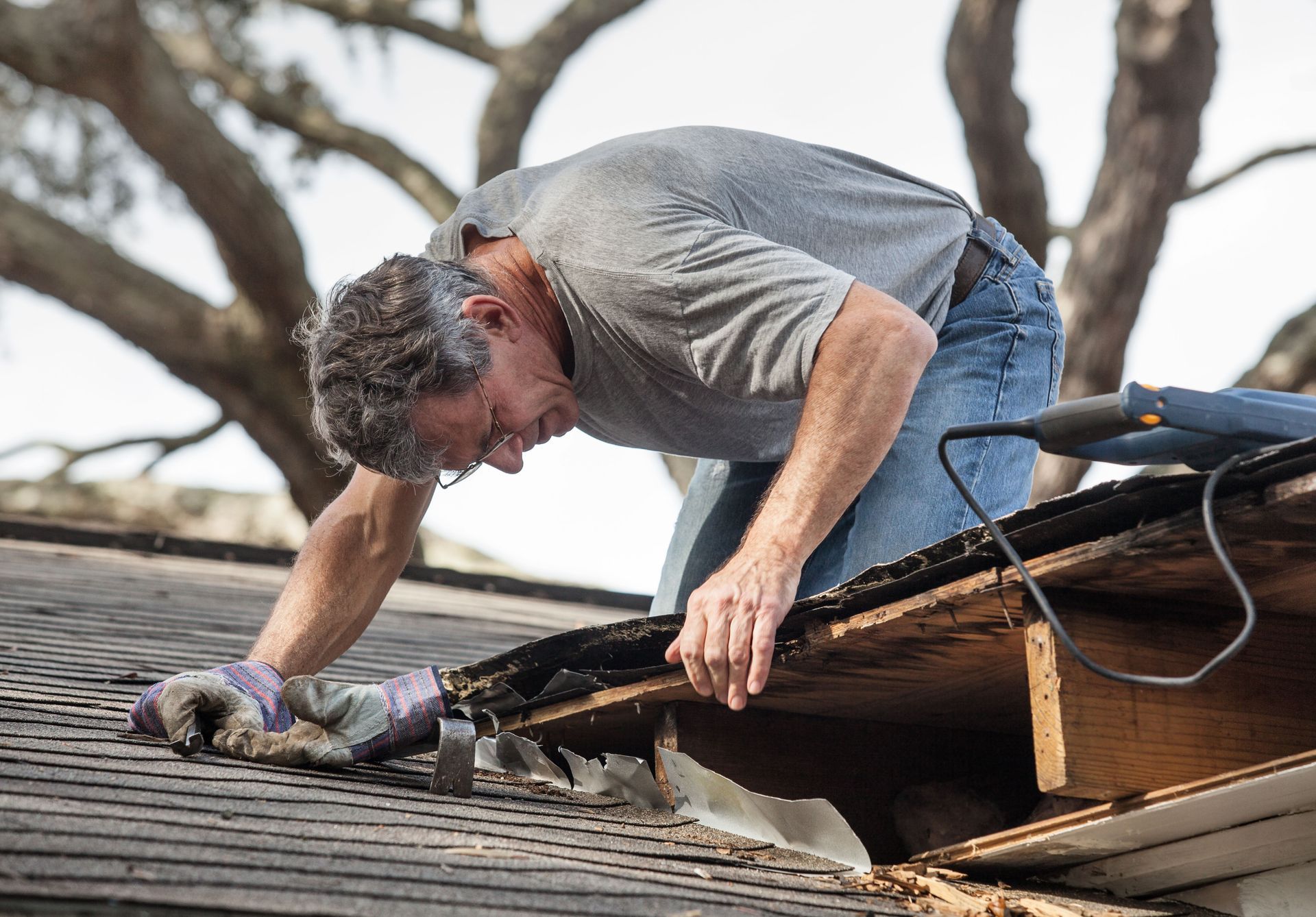
Preventive care acts as an essential proactive measure that helps commercial building owners preserve structural integrity and prevent major roof damage over time. Early identification of surface vulnerabilities allows for simple, cost-effective repairs before minor issues escalate into broad operational disruptions. Small problems such as minor membrane punctures, loose flashing material, or deteriorated joint sealants are easily corrected when identified early during routine reviews. Working alongside an experienced commercial roofing company ensures that minor wear is identified early, helping building managers maintain complete protection against weather elements while avoiding sudden emergency disruptions.
According to GAF, commercial roof systems should undergo professional inspections at least twice a year, specifically during the spring and autumn months. These bi-annual evaluations help identify potential structural vulnerabilities caused by severe seasonal shifts. By preparing structural components for intense summer heat and cold winter weather, building managers prevent weather-induced material degradation. Regular inspections ensure that membrane coatings, single-ply materials, and metal panels remain completely secure, allowing the commercial facility to withstand harsh weather conditions throughout the entire year.
Prepare Structural Systems Through Weather Readiness
Severe weather events pose a continuous challenge to the structural integrity of commercial facilities across every region. High winds, heavy rainfall, hail, and snow accumulation can strain structural roofing components and compromise protective water barrier layers. Routine inspections focus on identifying structural weaknesses, such as loose perimeter edge metal, compromised seam alignments, and clogged drainage pathways. Engaging a dedicated commercial roofing company helps property owners reinforce vulnerable areas with fabric-reinforced coatings or membrane restorations long before major storm systems impact the area.
Case studies across the commercial building industry demonstrate that structures receiving regular maintenance experience far fewer storm-related failures. Facilities featuring reinforced membrane coatings or spray foam applications resist wind uplift and water penetration far more effectively during severe storm conditions. Proactive preparation ensures that roof drainage pathways remain entirely clear, preventing heavy weight accumulation caused by ponding water. By maintaining structural resilience through routine evaluations, building owners minimize severe storm risks and safeguard their valuable interior operations from sudden weather disruptions.
Preserve Warranty Coverage Through Scheduled Care
Routine maintenance plays a critical role in preserving the overall validity of commercial warranty coverage agreements. Most roofing manufacturers mandate documented periodic maintenance as a strict requirement for maintaining ongoing warranty protection. Failing to perform and record these regular assessments can void warranty coverage, leaving building owners fully responsible for future structural repairs. Consulting a knowledgeable commercial roofing company ensures that all maintenance activities adhere strictly to manufacturer standards, keeping warranty agreements active and protecting the long-term facility investment.
Beyond warranty compliance, consistent roof care directly influences insurance coverage conditions and claim processing procedures. Insurers routinely evaluate building maintenance records when reviewing property damage claims following severe weather occurrences. Proper documentation demonstrating regular upkeep helps verify that damage resulted from sudden environmental impacts rather than long-term owner neglect. Maintaining comprehensive service records safeguards property owners against disputed insurance coverage while supporting overall risk management objectives for the commercial facility.
Enhance Energy Savings Through Surface Restorations
Maintaining a commercial roof is instrumental in optimizing overall building energy efficiency and interior climate control. Over time, atmospheric debris, surface degradation, and compromised insulation reduce thermal resistance, causing heating and cooling equipment to work harder. Applying reflective membrane coatings or spray foam insulation restores thermal efficiency and reduces heat absorption across the building envelope. Collaborating with a professional commercial roofing company enables property owners to select energy-efficient restoration systems that lower utility demands and maintain comfortable indoor environment levels.
Modern roofing practices focus heavily on energy conservation through advanced surface treatments and cool roof installations. Reflective coating systems deflect solar radiation, significantly reducing roof surface temperatures during peak summer months. This thermal reduction lightens the operational workload on heating and air conditioning equipment, extending mechanical system life while lowering energy usage. Incorporating energy-focused maintenance strategies helps commercial properties achieve sustainable performance goals while maintaining optimal building comfort throughout the year.
Boost Property Value Through Exterior Upkeep
A well-maintained commercial roof significantly enhances a facility's overall visual appeal and market valuation. First impressions matter in commercial real estate, and the visible condition of a building exterior reflects directly on operational management standards. Clean, well-maintained roofing systems demonstrate responsible property management to prospective tenants, buyers, and financial appraisers. Contracting a qualified commercial roofing company guarantees that surface cleanliness, drainage components, and protective coatings are continuously maintained to preserve visual excellence across the property.
Property appraisals and real estate transactions frequently highlight the structural condition of the roof as a primary valuation factor. Facilities with documented maintenance histories and fully restored roofing systems command higher market positioning and attract quality long-term commercial tenants. Investing in routine surface care, metal roof restoration, and timely repair work prevents unsightly staining, structural sagging, and perimeter edge decay. Consistent exterior upkeep ensures that the commercial property retains its financial value and visual appeal over time.
Develop Structured Plans Through Routine Scheduling
Developing a structured maintenance plan establishes an organized, systematic approach to long-term commercial roof management. A successful program outlines clear schedules for routine inspections, surface cleaning, gutter clearing, and timely sealant updates. Customizing maintenance activities to match specific roof types, such as single-ply membranes, metal roofing, or asphalt shingle systems, guarantees targeted structural care. Working with an established commercial roofing company allows property owners to create customized maintenance schedules that address unique structural requirements and local climate challenges.
Executing a consistent maintenance schedule delivers measurable operational benefits and extends overall roof performance. Systematic inspections catch small sealant cracks and flashing separations before moisture reaches underlying insulation or structural decking materials. Property managers who follow structured care programs enjoy consistent building protection and avoid unexpected structural emergencies. Establishing a reliable maintenance routine remains a fundamental requirement for successful commercial facility management across every sector.
Routine maintenance is vital for preserving the long-term integrity, operational performance, and overall value of a commercial roof. Proactive care prevents minor defects from expanding, protects warranty compliance, enhances energy efficiency, and safeguards valuable real estate investments. By prioritizing scheduled evaluations and timely surface restorations, property managers maintain secure building envelopes that withstand severe weather conditions year after year.
Maintaining a commercial roof requires consistent attention, expert evaluation, and dependable professional service. Investing in structured maintenance plans ensures operational continuity and long-term peace of mind for commercial building owners. Contact our experienced team at Cardinal Commercial Roofing today to schedule an inspection and safeguard your structural investment.