August 14, 2026
A leaking roof is one of the most frustrating issues a property owner can face. Water damage rarely happens overnight; instead, it develops through minor vulnerabilities that gradually worsen over time. By taking a proactive approach to seasonal maintenance, you can identify early warning signs before water breaches your ceiling. Partnering with a professional roofing contractor allows property owners to stay ahead of potential structural issues before expensive repairs become necessary.
Water takes the path of least resistance, meaning an entry point on top of your structure may not align with where the drip appears inside. Small cracks and degraded sealant can direct gallons of rainwater into structural support beams over several months. According to This Old House, standard asphalt shingle roof systems generally maintain their integrity for roughly 15 to 30 years. However, neglected maintenance can shorten this expected lifespan drastically and leave your building vulnerable to sudden water intrusion.
Examining Attic Spaces for Hidden Moisture
The attic or top-floor interior space often provides the very first visual clues that a leak is developing above your space. During daytime hours, turn off all interior lights and look up at the roof deck for bright slivers of outdoor light. If daylight can easily penetrate your decking, water will undoubtedly find that same pathway during the next storm. An experienced roofing contractor can quickly identify whether these light gaps require minor flashing adjustments or major structural re-decking.
Beyond checking for light, you should pay close attention to the distinct smell of dampness or persistent mildew upon entering. Trapped ambient moisture creates a musty odor long before dark water stains become visibly prominent on drywall or ceiling tiles. Take time to inspect the wooden rafters, trusses, and roof sheathing for dark streaks or soft timber. Wet insulation is another red flag, as soaked fiberglass loses its thermal resistance and traps moisture against your frame.
Mold growth on structural framing indicates that elevated humidity or slow dripping has been occurring for several consecutive weeks. You might notice white, black, or greenish powdery spots spreading across wooden beams or attic insulation batts. Hiring a certified roofing contractor to conduct a thorough interior inspection helps pinpoint subtle condensation or leaking source points. Resolving these ventilation or water issues early prevents severe fungal contamination that could compromise indoor air quality throughout the property.
Rust spots on exposed metal nails, framing brackets, or roof trusses also signal excessive water vapor or active ceiling dripping. When nails beneath the deck rust, they loosen over time and break the tight seal holding shingles together. Tracking these metallic corrosion marks back to their origin can direct you to the exact spot where water leaks inward.
Checking Exterior Shingles for Physical Wear
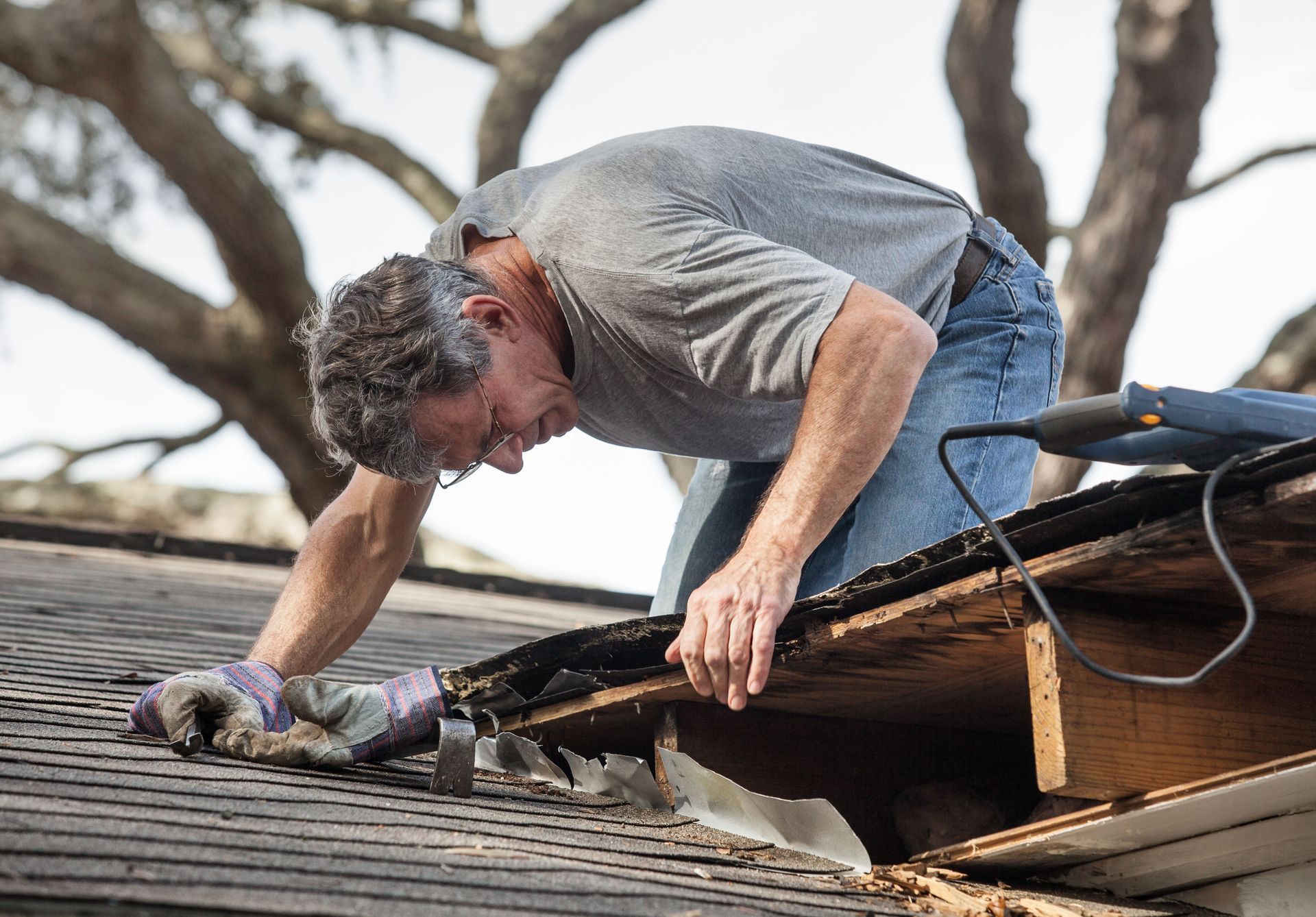
The exterior surface of your roof acts as the primary shield against heavy rain, hail, snow, and solar radiation. Over time, constant thermal expansion and contraction cause surface materials to weaken, crack, or pull away from the roof deck. Performing a ground-level inspection using binoculars allows you to examine shingle conditions safely without climbing elevated ladders. Look closely for missing, cracked, or curling shingles along the slopes and edges of your building structure.
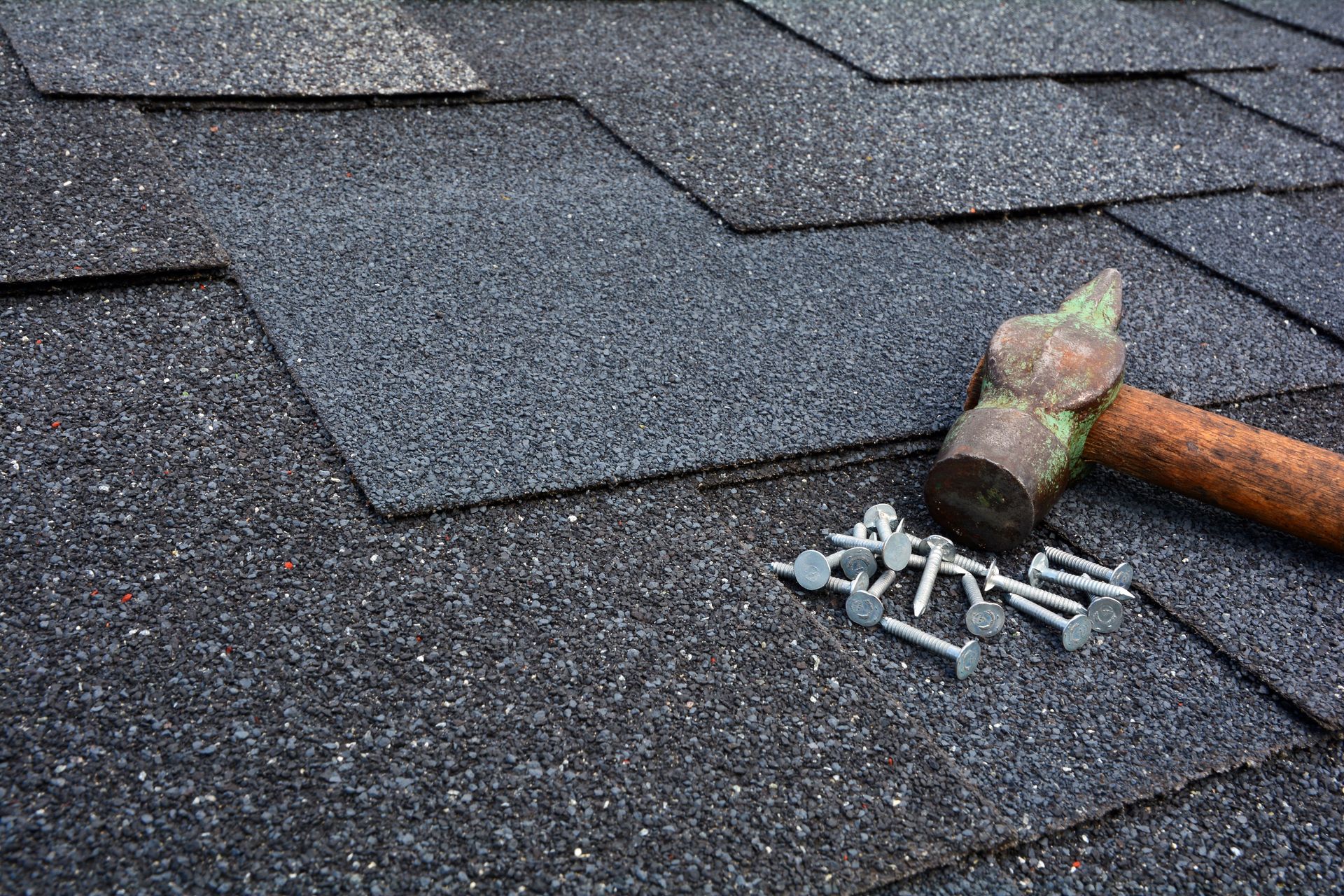
Curling shingle edges indicate that the material has dried out and lost its flexibility, making it vulnerable to wind uplift. Once strong winds peel back loose shingles, torrential rainwater can flow underneath the protective barrier directly onto raw underlayment. If you notice widespread shingle degradation across multiple roof slopes, consulting an established roofing contractor is the most prudent next step.
Another key indicator of shingle deterioration is heavy accumulation of dark mineral granules inside your drainage gutters and downspouts. Asphalt shingles are coated with ceramic granules that shield the underlying petroleum substrate from destructive ultraviolet rays. As shingles age, they shed these protective granules rapidly, leaving exposed bare patches that deteriorate quickly under direct sunlight. Finding thick layers of coarse grit in your gutters means your roof protection is thinning out and requires immediate attention.
Moss and algae growth on shaded roof slopes might look natural, but these organisms actively trap moisture against shingle surfaces. As moss roots spread, they lift shingle edges and create small pathways for standing water to seep underneath. In cold winter conditions, trapped moisture behind moss freezes and expands, causing severe structural cracking across shingle layers.
Inspecting Flashing Around Critical Roof Penetrations
Flashing consists of thin metal sheets installed along roof joints, valleys, chimneys, vents, and skylights to divert running water. Because these areas create deliberate breaks in your continuous roofing surface, they represent common points for leak formation. Over years of weather exposure, sealant around metal flashing can dry out, crack, or wash away during intense storms. Engaging a licensed roofing contractor to re-seal or replace compromised metal flashing secures these vulnerable transition zones effectively.
Chimneys are particularly notorious for leaking because they intersect the roof line at sharp angles where water collects rapidly. Counter-flashing embedded into chimney mortar joints can loosen over time as masonry degrades and settles under natural building movement. If water penetrates behind chimney flashing, it will stream down interior framing studs and destroy nearby ceiling drywall.
Vent pipes and exhaust stacks that protrude through your roof deck rely on rubber boot seals to block water penetration. Strong solar rays cause these rubber boots to become brittle, split, and crack open, allowing rain to flow straight down. You should routinely check rubber boot seals for cracking, warping, or separation from the vent pipe surface. Replacing a dry-rotted pipe boot is a fast, affordable fix that prevents thousands of dollars in potential interior water damage.
Roof valleys are another critical area where two sloping planes meet to channel high volumes of cascading rainwater down to gutters. Because valleys handle massive water flow during heavy rainfall, any damaged metal flashing or misaligned shingle overlap causes leaks. Having a skilled roofing contractor inspect your roof valleys guarantees that runoff pathways remain uncompromised and fully watertight.
Monitoring Drainage Systems and Gutters Regularly
Your roof drainage system plays a vital role in carrying water away from the top structure and foundation. When gutters become clogged with leaves and debris, water cannot flow freely toward downspouts during heavy rains. Trapped runoff backs up along eaves, pooling against roof edges and rising beneath the bottom layer of shingles.
Standing water inside heavy gutters also adds hundreds of pounds of unnecessary weight to your building eaves. Overloaded gutter brackets can pull away from the fascia, pulling roof trim apart and creating open gaps for water intrusion. Inspecting gutter fasteners and ensuring proper slope toward downspouts allows water to drain efficiently away from critical building components.
Downspouts must extend far enough from your structure to deposit discharged rainwater away from foundation walls and basement spaces. If downspouts dump high volumes of water directly beside your walls, soil erosion and severe foundation cracking can occur quickly. Connecting downspout extensions or splash blocks ensures that heavy storm runoff is directed safely into proper drainage areas. Scheduling a seasonal evaluation with a reputable roofing contractor guarantees that your entire water diversion system operates without failure.
Flat and low-slope roof designs require specialized drainage systems such as scuppers, internal drains, and broad collector boxes. Leaves and debris can block scuppers easily, causing significant ponding water that stresses the physical weight limits of the roof structure. Inspecting flat roof drains monthly removes blockages before heavy rainfall leaves standing pools on your waterproofing membrane.
Preventing roof leaks before they cause serious structural damage requires consistent vigilance, routine maintenance, and timely professional evaluations. By catching subtle warning signs like attic light gaps, granule loss, cracked flashing, and clogged gutters early, you save substantial repair costs. Working closely with an experienced
roofing contractor ensures that small vulnerabilities are repaired before major rainstorms arrive.
At Cardinal Commercial Roofing, we are committed to helping you protect your valuable investment through proactive inspections and top-quality repairs. Our team of experienced professionals will thoroughly evaluate your entire roof system to fix minor vulnerabilities before they become major leaks. Contact us today to schedule your comprehensive roof evaluation and enjoy complete peace of mind during any weather.