September 1, 2026
Maintaining a strong and dependable roof is essential for safeguarding any property against harsh weather elements, structural wear, and moisture accumulation. Over time, constant exposure to heavy rains, intense sunlight, strong wind gusts, and freezing winter temperatures can compromise the structural integrity of protective exterior materials. Property owners frequently face the difficult decision of choosing between targeted spot repairs or executing a complete overhead replacement. Making the correct choice requires evaluating the overall physical condition of current materials, identifying underlying moisture risks, and determining how effectively existing components fulfill daily protective demands. Understanding these key variables empowers property owners to make informed decisions that ensure long-lasting structural protection.
Navigating the choice between localized maintenance and total system installation can feel overwhelming without structured evaluation standards. While minor surface damage can often be resolved through isolated repairs, widespread material degradation usually demands comprehensive replacement to prevent ongoing structural complications. Partnering with a licensed local roofer allows property owners to receive thorough assessments that reveal hidden vulnerabilities across every section of the building. By examining specific signs of wear, property managers can determine whether simple restorative measures will suffice or if a complete installation is necessary for optimal security. Taking proactive steps ensures that overhead structures remain resilient against changing seasonal conditions.
Evaluating the Extent of Visible Surface Damage
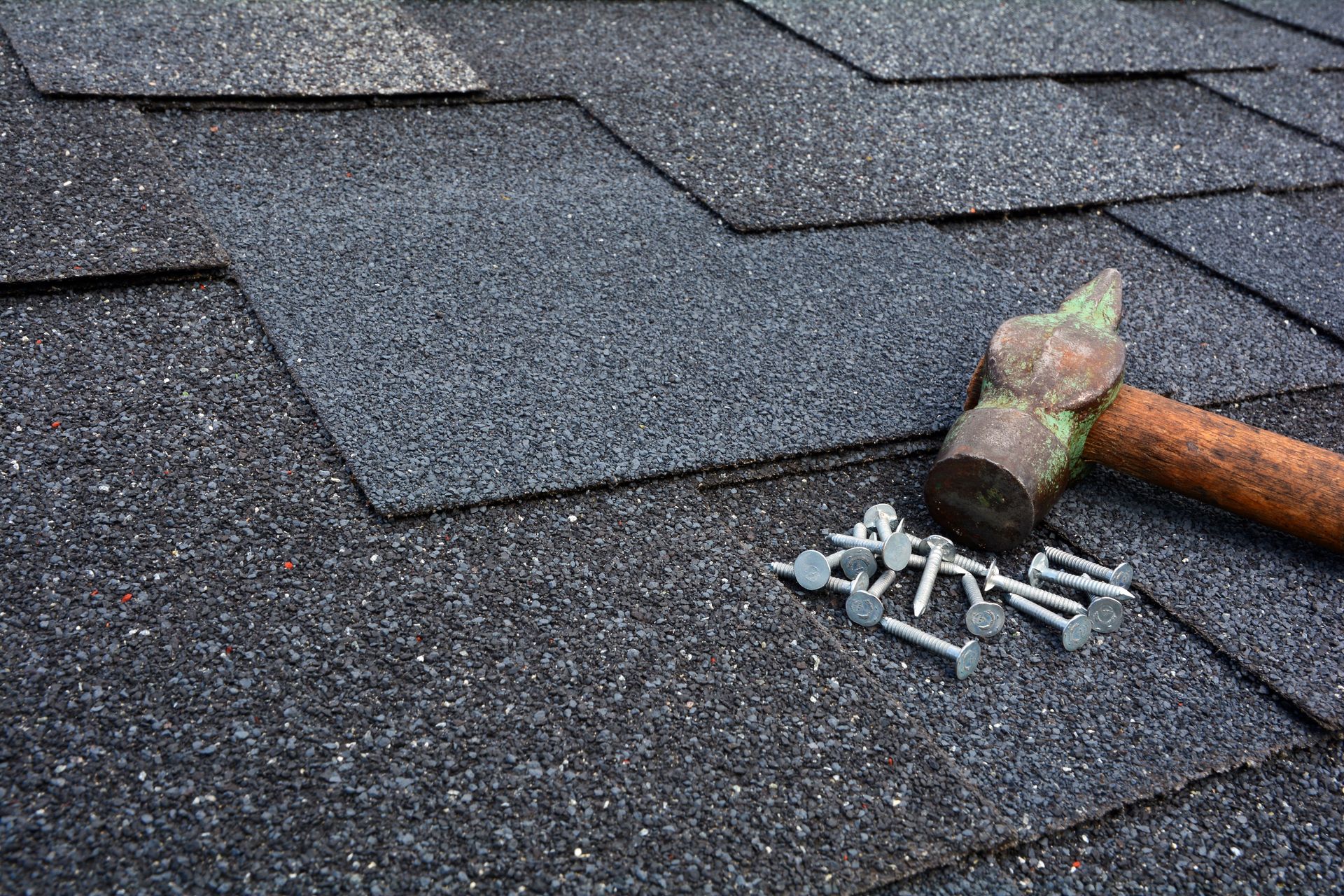
Visible surface damage often serves as the primary indicator that an overhead protective system requires immediate professional attention and careful physical assessment. Shingles, tiles, or commercial membrane panels can exhibit various forms of physical distress, including curling edges, missing sections, surface cracking, or severe granule loss. When surface damage is restricted to a small, isolated section of the overall property, targeted repairs can effectively restore complete weather resistance without disturbing surrounding intact materials. Promptly addressing minor surface blemishes prevents wind-driven rain from penetrating underlying underlayment layers and causing internal wood rot.
However, when physical deterioration appears across multiple distinct sections of the structure, isolated patching becomes an inefficient solution. Widespread cracking, extensive blistering, or missing protective granules across vast areas indicate that the overall material composition has reached the end of its useful lifespan. Engaging a qualified local roofer helps property managers accurately gauge whether surface defects represent isolated incidents or systemic material failure. When surface wear affects the majority of protective panels, investing in a complete system replacement ensures uniform coverage and long-term peace of mind.
Assessing the Age of Existing Architectural Materials
The overall age of existing protective materials plays a critical role when determining whether to repair or replace an overhead structure. Every commercial and residential roofing material is engineered to perform reliably for a specific span of years under normal environmental conditions. As materials approach the end of their design lifespan, their ability to withstand severe storms, thermal expansion, and ultraviolet radiation diminishes significantly. Attempting to repair aging, brittle materials often results in fragile surrounding components cracking during routine maintenance procedures.
According to RubyHome, approximately 5 million structures across the United States receive new roof installations annually. This high volume of annual installations reflects how frequently property owners across the country must upgrade aging structures to maintain property safety. When an overhead system approaches or exceeds its expected operational lifespan, frequent spot repairs only provide short-term relief against ongoing degradation. Consulting with a knowledgeable local roofer allows property owners to evaluate material longevity and decide if continuous patching remains practical. Transitioning to a new installation eliminates repetitive maintenance demands and provides modern weather resistance.
Analyzing Persistent Structural Moisture Leaks
Unchecked moisture intrusion poses one of the most immediate threats to structural integrity, interior wall finishes, framing timbers, and overall indoor air quality. Water that penetrates outer protective barriers can travel along internal framing beams, making the precise point of entry difficult to identify from inside the building. Isolated leaks caused by damaged flashing around chimneys, vent pipes, or drainage scuppers can usually be resolved through targeted flashing repairs and sealing. Addressing localized water intrusion quickly preserves structural framing and prevents dangerous mold growth from developing within interior spaces.
Conversely, persistent or widespread moisture intrusion occurring in multiple interior locations typically signals severe, widespread underlayment failure. When moisture saturates large areas of underlying insulation or decking boards, simple surface sealing cannot resolve the systemic water damage. Working alongside an expert local roofer allows property managers to perform comprehensive moisture surveys and trace water migration pathways. If internal decking materials have suffered extensive water saturation, executing a full system replacement is necessary to restore structural stability and protect internal operations.
Examining Overall Structural Integrity and Sagging
Maintaining structural integrity is paramount when assessing the overall safety, stability, and operational viability of any protective overhead framework. Property owners should periodically inspect rooflines from ground level to check for visible signs of dipping, bowing, or noticeable sagging between structural supports. Sagging rooflines often indicate compromised load-bearing beams, decaying plywood decking, or long-term moisture absorption within internal support structures. Physical structural sagging requires immediate professional evaluation, as delayed action increases the risk of partial or total structural collapse under heavy snow or rain loads.
Minor surface imperfections rarely cause structural sagging, meaning that repairs are insufficient when support frameworks begin to fail. Resolving structural deformation requires removing existing surface materials, replacing compromised decking boards, and reinforcing underlying support trusses. Scheduling a thorough physical evaluation with a trained local roofer ensures that structural weaknesses are identified and remediated safely. In cases involving significant structural sagging, a full tear-off and replacement is the only way to establish a sound foundation capable of supporting new protective materials.
Considering Long-Term Property Investment Goals
Property ownership duration and future investment goals heavily influence the decision to repair or replace an overhead structure. For property owners planning to retain a building for many years, installing a modern, durable system provides exceptional long-term value and eliminates recurring maintenance anxiety. Modern roofing systems incorporate advanced energy-efficient materials, reflective surface coatings, and superior wind resistance ratings that enhance overall property utility. Investing in a new installation also improves building curb appeal and preserves overall property valuation.
For property managers seeking temporary protection while planning future renovations or property transfers, targeted repairs may offer an appropriate short-term solution. Strategic maintenance restores immediate weather resistance while keeping existing materials functional for an intermediate period. Collaborating with a professional local roofer helps property owners align immediate maintenance decisions with broader property management strategies and long-term building plans. Whether selecting strategic repairs or a complete system overhaul, choosing the right approach ensures that the property remains fully protected against environmental challenges.
Determining whether an overhead structure requires repairs or a complete system replacement involves evaluating material age, surface wear, moisture risks, and overall structural stability. Consulting with a dedicated local roofer ensures that every aspect of the evaluation is conducted with precision and professional care. Addressing minor defects promptly through targeted maintenance extends material lifespan and prevents isolated issues from expanding into major structural failures. However, when materials reach the end of their operational usefulness or exhibit widespread moisture damage, investing in a full replacement provides comprehensive security and modern performance capabilities.
If you are ready for professional overhead evaluation and reliable property protection, contact us at Cardinal Commercial Roofing today. We will help you assess your building's current needs and deliver tailored solutions that preserve your property's value for years to come.